(H1) Double Twisted Hexagonal Rockfall Netting: Advanced Mountain Slope Protection
Double twisted hexagonal rockfall netting has become the preferred solution for mountain slope stabilization worldwide. This flexible, high-strength system effectively controls rockfall while preserving natural mountain environments. This comprehensive guide explores the technical specifications, installation methodologies, and engineering benefits of using double twisted hexagonal netting in mountain applications.
(H2) Understanding Double Twisted Hexagonal Technology
Unique Construction Features:
Double Twisted Design: Each wire is twisted twice around adjacent wires, creating exceptional strength and flexibility
Hexagonal Mesh Pattern: Natural geometric stability distributes impact forces efficiently
Self-Healing Capability: Local damage remains contained without unraveling
Flexibility: Conforms perfectly to irregular mountain terrain contours
Material Specifications:
Wire Type: High-tensile steel with minimum tensile strength of 350-550 MPa
Coating Options: Galvanized, Galfan, or PVC coated for corrosion protection
Mesh Openings: 60mm, 80mm, or 100mm hexagonal apertures
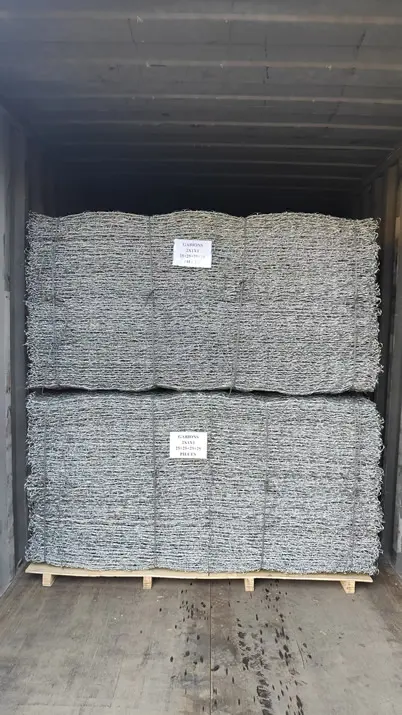
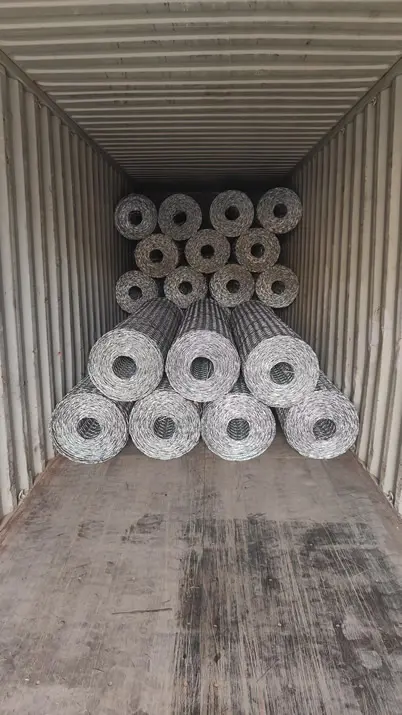
Panel Sizes: Standard dimensions 2m × 25m or 3m × 30m rolls
(H2) Key Applications in Mountain Environments
1. Rockfall Protection Systems
Intercepts falling rocks before reaching infrastructure
Protects roads, railways, and buildings in mountainous areas
Reduces maintenance costs on transportation corridors
2. Slope Stabilization
Prevents surface erosion and shallow landslides
Maintains soil integrity on steep mountain slopes
Allows vegetation establishment while providing stability
3. Debris Flow Control
Manages small to medium debris movements
Filters solid materials while allowing water passage
Complementary measure to larger debris barriers
4. Scarp Protection
Covers exposed rock faces prone to weathering
Prevents progressive rock deterioration
Enhances safety in recreational mountain areas
(H2) Engineering Advantages for Mountain Applications
Superior Mechanical Properties:
Impact Resistance: Withstands energy levels up to 1000-5000 kJ
Tensile Strength: Typical capacity of 30-80 kN/m depending on specification
Deformation Capacity: Up to 10-15% elongation without failure
Environmental Benefits:
Permeability: Allows natural water drainage and vegetation growth
Visual Integration: Low visual impact compared to rigid structures
Ecological Compatibility: Maintains natural habitat connectivity
Construction Advantages:
Lightweight Components: Easy transport to remote mountain locations
Adaptable Installation: Conforms to complex topography
Minimal Foundation Requirements: Reduced site disturbance
(H2) System Components and Specifications
Primary Netting:
Type: Double twisted hexagonal mesh
Wire Diameter: 2.2mm to 3.0mm based on design requirements
Coating: PVC coated (0.5mm thickness) for mountain environments
Color: Green or gray for environmental blending
Border Cables:
Material: Steel wire rope 10mm to 16mm diameter
Coating: Galvanized or PVC coated matching netting
Strength: 70 kN to 150 kN breaking strength
Anchorage System:
Soil Anchors: 1.5m to 3.0m length depending on soil conditions
Rock Bolts: 2.0m to 6.0m length for rock anchoring
Load Capacity: 50 kN to 200 kN working capacity
Supporting Elements:
Spacers: Maintain distance between netting and slope surface
Energy Absorbers: Dissipate impact forces during rockfall events
Connection Hardware: Certified shackles and clips for safety
(H2) Design Considerations for Mountain Slopes
Site Assessment Parameters:
Slope Angle: 35° to 70° optimal range for netting application
Rock Size: Maximum expected block size determines mesh opening
Fall Height: Energy calculation based on slope height and geometry
Geological Conditions: Rock type, fracture patterns, weathering degree
Design Methodology:
Hazard Analysis: Identify rockfall sources and trajectories
Energy Calculation: Determine design impact energy requirements
System Selection: Choose appropriate netting strength class
Layout Planning: Optimize barrier positioning and height
(H2) Installation Protocol for Mountain Terrain
Phase 1: Site Preparation
Clear vegetation and loose material from installation area
Establish access routes and safety systems for steep terrain
Position materials using helicopters or specialized equipment in remote areas
Phase 2: Anchor Installation
Drill anchor holes according to design specifications
Install and grout rock bolts or soil anchors
Verify anchor pull-out capacity with load testing
Phase 3: Netting Deployment
Unroll netting panels down slope from top anchor line
Connect panels using spiral binders or lacing wire
Attach border cables to netting perimeter
Phase 4: System Tensioning
Connect netting to anchor system with appropriate hardware
Apply uniform tension across entire netting surface
Install energy absorbers and spacing elements
(H2) Maintenance and Inspection Requirements
Regular Inspection Schedule:
Initial: 3 months after installation
Annual: Comprehensive inspection before rainy season
Post-Event: After significant earthquakes or storms
Key Inspection Elements:
Netting tension and deformation condition
Anchor system integrity and corrosion status
Accumulated debris removal requirements
Vegetation management around system components
(H2) Cost-Benefit Analysis
Installation Costs:
Materials: $25-$50 per square meter depending on specifications
Labor: $15-$30 per square meter for mountain installations
Equipment: Helicopter costs $500-$1000 per hour when required
Lifecycle Benefits:
Risk Reduction: Prevents costly damage to infrastructure
Maintenance Savings: Reduces road closure and cleanup costs
Long Service Life: 30-50 year design life with proper maintenance
(H2) Case Study: Successful Mountain Application
Project: Himalayan Highway Protection, Nepal
Challenge: Frequent rockfall blocking critical transportation route
Solution: 2.5km of double twisted hexagonal netting (80mm mesh)
Results:
95% reduction in rockfall incidents
Zero road closures due to rockfall in 3 years
Natural vegetation establishment on stabilized slopes
40% cost savings compared to concrete alternatives
(H2) Comparison with Alternative Systems
vs. Shotcrete (Sprayed Concrete):
Advantages: Better drainage, environmental compatibility, lower cost
Disadvantages: Lower impact resistance for large blocks
vs. Drapery Systems:
Advantages: Higher containment capacity, better debris management
Disadvantages: More complex installation, higher initial cost
vs. Rock Bolting:
Advantages: Surface protection, handles multiple failure mechanisms
Disadvantages: Different application, often used complementarily
(H2) Environmental Compliance and Sustainability
Ecological Benefits:
Allows natural revegetation and habitat preservation
Minimal disturbance during installation
Recyclable materials at end of service life
Reduces need for quarry materials compared to hard structures
Regulatory Considerations:
Meets international safety standards (ETAG 027, ASTM)
Environmental impact assessment requirements
Permitting processes for protected mountain areas
Compliance with scenic area preservation regulations
Double twisted hexagonal rockfall netting offers a proven, sustainable solution for mountain slope stabilization that combines engineering effectiveness with environmental sensitivity. Its flexibility, durability, and adaptability make it ideal for challenging mountain conditions.
Contact our engineering team for site-specific recommendations and technical support for your mountain slope protection project. We provide customized solutions based on detailed slope stability analysis and risk assessment.

ANPING YUELIAN WIRE MESH CO.,LTD.
+86 13363336085
yxgabion@163.com
NO.5 WEIYI ROAD,ANPING HIGH-TECH INDUSTRIAL DEVELOPMENT ZONE,ANPING,HENGSHUI,HEBEI,CHINA
For inquiries about our products or pricelist, please leave your email to us and we will be in touch within 24 hours.
INQUIRY NOW