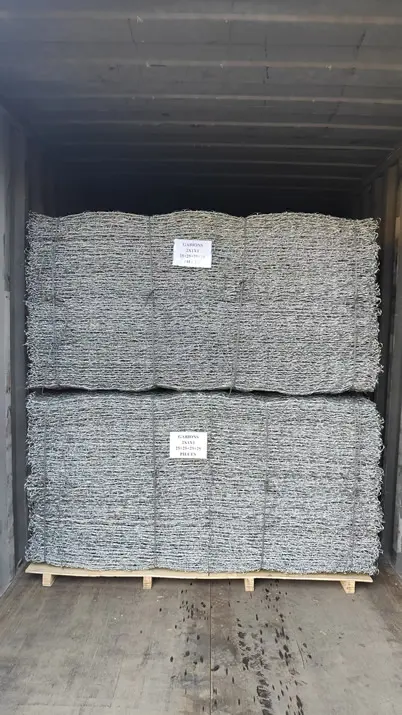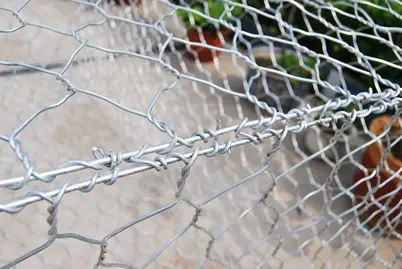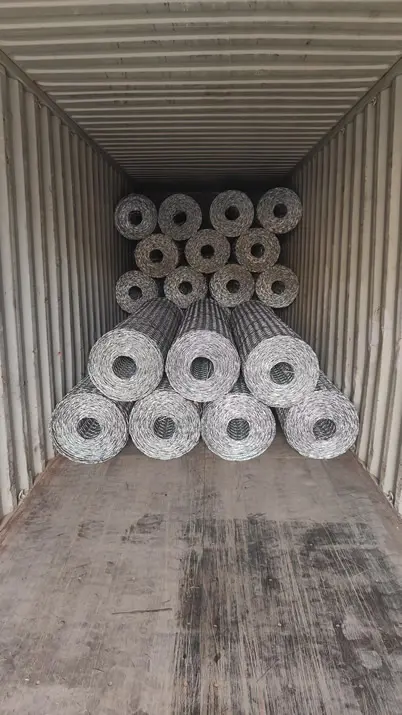

Gabion walls are increasingly popular in modern landscaping, offering a unique blend of industrial charm and natural beauty. Comprised of wire mesh cages filled with stone, rock, or even recycled materials, they serve as stunning retaining walls, privacy screens, garden borders, and decorative features.
The best part? Learning how to build a gabion wall is a straightforward DIY project that requires minimal specialized tools. This step-by-step guide will walk you through the entire process, ensuring your wall is not only aesthetically pleasing but also structurally sound and built to last.
Before we dive into the construction, it's worth noting why gabions are a great choice:
Durability: Withstands settling and erosion far better than rigid walls.
Drainage: Naturally permeable, preventing water buildup and hydrostatic pressure.
Cost-Effective: Often cheaper than poured concrete or mortared stone walls.
Eco-Friendly: Can be filled with locally sourced or recycled materials.
Versatility: Can be built in virtually any shape or curve.
Materials:
Gabion Baskets: Galvanized steel mesh cages (choose a gauge suitable for your wall's height).
Stone Fill: Durable, drainage-friendly rock like granite, sandstone, or limestone. Size should be 1.5 to 2 times the mesh opening.
Geotextile Fabric: (Optional, for retaining walls) to prevent soil from washing through the stones.
Foundation Material: Compactible base material like crushed stone or gravel.
Tools:
Shovel
Spirit Level
Tape Measure
Tamper or Plate Compactor (for base)
Gloves and Safety Glasses
Pliers or Gabion Clips (often supplied with baskets)
Metal Stakes or Rebar (for tall walls)
Check with your local building department to see if a permit is required, especially for taller or load-bearing retaining walls.
Sketch your design, noting the wall's dimensions. Order gabion baskets and stone accordingly.
A solid base is critical for stability.
Excavate: Dig a trench slightly wider than your gabion cages and about 4-6 inches deep.
Compact and Level: Fill the trench with your crushed stone or gravel base material. Use a tamper to compact it thoroughly, ensuring it is perfectly level. A level base prevents the wall from leaning.
Lay out the first layer of cages on your prepared base.
Assemble the sides of the cages according to the manufacturer's instructions, typically using the provided spiral binders or lacing wire to securely attach the panels together.
If building a multi-tiered wall, ensure the cages are positioned so the weight is distributed correctly (upper tiers should be centered on the lower ones).
If your wall is holding back soil, line the back side (the side facing the earth) with geotextile fabric. This allows water to drain while preventing soil from migrating into the stone fill and causing settling.
This is the most important step for a clean look.
Place Larger Stones on Faces: Manually place your largest, most attractive stones against the visible sides of the cage, ensuring they are tight against the mesh for a neat appearance.
Fill the Interior: Dump smaller, less expensive rock into the center. This saves money without sacrificing stability.
Compact as You Go: Fill the cages in 12-inch layers (lifts). As you complete each layer, gently shake the cage or manually compact the stones to eliminate voids and maximize density. This prevents the wall from bulging later.
Close and Repeat: Once a cage is full, attach its lid securely with the provided fasteners. Then, place and assemble the next layer of cages on top, offsetting the joints for strength, and repeat the filling process.
Once the wall is complete, do a final check to ensure all lids are securely fastened.
For retaining walls, carefully backfill the area behind the geotextile fabric with drainage gravel and then soil.
Stone Selection: Choose angular stone over smooth, round river rock. The angular pieces lock together, creating a more stable structure.
Double-Check Level: Constantly use a level during base preparation and cage assembly. A mistake at the base will be magnified at the top.
Safety First: Always wear heavy-duty gloves when handling the wire mesh and sharp stones.
Building a gabion wall is a rewarding project that adds lasting value and character to your property. By following these steps and focusing on a level base and proper filling technique, you can create a stunning, functional landscape feature that will stand the test of time. So, gather your materials, and get ready to build something beautiful and enduring.
Previous : Gabion basket installation guide
Next : How to fill gabion baskets

ANPING YUELIAN WIRE MESH CO.,LTD.
+86 13363336085
yxgabion@163.com
NO.5 WEIYI ROAD,ANPING HIGH-TECH INDUSTRIAL DEVELOPMENT ZONE,ANPING,HENGSHUI,HEBEI,CHINA
For inquiries about our products or pricelist, please leave your email to us and we will be in touch within 24 hours.
INQUIRY NOW