
(H1) What Size Rock for Gabion Baskets: Choosing the Right Stone for Your Project
Selecting the proper rock size is one of the most important decisions when building with gabion baskets. The right stone ensures structural integrity, proper drainage, and aesthetic appeal, while the wrong choice can lead to bulging baskets, reduced stability, and potential failure. This comprehensive guide covers everything you need to know about choosing the right size rock for your gabion project.
(H2) The Golden Rule of Gabion Rock Sizing
The fundamental principle for gabion rock selection is simple but crucial:
The rock size should be 1.25 to 1.5 times larger than the mesh aperture.
This ensures the stones cannot pass through the mesh openings while allowing for proper compaction and interlocking between stones.
(H2) Recommended Rock Sizes by Mesh Type
Note: These are general guidelines. Always check with your gabion supplier for specific recommendations.
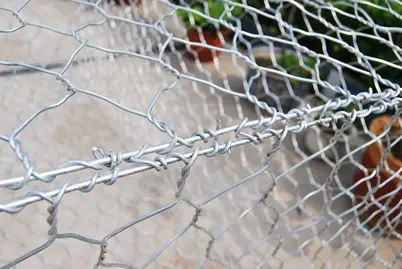
| Mesh Aperture Size | Minimum Rock Size | Ideal Rock Size Range | Maximum Rock Size |
|---|---|---|---|
| 60mm × 80mm | 75mm (3") | 100-150mm (4-6") | 200mm (8") |
| 80mm × 100mm | 100mm (4") | 125-200mm (5-8") | 250mm (10") |
| 100mm × 120mm | 125mm (5") | 150-250mm (6-10") | 300mm (12") |
(H2) 4 Key Factors in Rock Selection
1. Structural Requirements
Angular Rocks: Preferred for their ability to interlock and create stable structures
Durable Material: Should withstand weathering and freeze-thaw cycles
High Density: Provides mass for retaining walls and erosion control
2. Drainage Considerations
Well-Graded Mix: Combination of sizes allows for proper water passage
Minimal Fines: Avoid materials that contain soil or small particles that can clog drainage
3. Aesthetic Preferences
Color Consistency: Important for visible architectural features
Surface Texture: Smooth vs. rough appearance based on project goals
Local Availability: Often determines both cost and appearance
4. Practical Handling
Manual Placement: 100-200mm (4-8") rocks for DIY projects
Mechanical Placement: 200-300mm (8-12") rocks for large-scale projects
Weight Considerations: Larger rocks require equipment for placement
(H2) Best Rock Types for Gabion Baskets
Recommended Materials:
Granite: Durable, angular, and available in various colors
Limestone: Good durability and natural appearance
Sandstone: Weathers well and offers warm colors
Basalt: Very dense and excellent for structural applications
Local Quarry Stone: Most cost-effective option for large projects
Materials to Avoid:
Round River Rock: Poor interlocking capability
Soft Sandstone: May deteriorate quickly
Soil-Contaminated Material: Compromises drainage
Recycled Concrete: May contain reinforcing steel that can damage mesh
(H2) Step-by-Step Rock Selection Process
Determine Mesh Size: Check your gabion basket specifications
Calculate Minimum Size: Multiply mesh aperture by 1.25
Consider Application: Structural walls need larger, angular stone
Check Local Availability: Source materials within 50km when possible
Test Drainage: Ensure water passes freely through sample material
Verify Aesthetics: Confirm color and texture meet design requirements
(H2) Special Considerations for Different Applications
Retaining Walls:
Use angular rock 150-250mm (6-10")
Ensure high compressive strength
Avoid rounded or smooth stones
Slightly smaller rock 100-200mm (4-8")
Focus on durability and drainage
Consider local stone to blend with environment
Architectural Features:
Uniform size and color
Smaller mesh for precise appearance
Decorative stone options
Noise Barriers:
Dense, heavy rock
Larger sizes for mass
Tight packing to reduce sound transmission
(H2) Common Mistakes to Avoid
Using Undersized Rock: Stones fall through mesh, compromising structure
Mixing Sizes Improperly: Poor compaction and instability
Ignoring Drainage: Water buildup causes hydrostatic pressure
Choosing Weak Material: Rapid deterioration reduces lifespan
Neglecting Local Regulations: Some areas restrict certain materials
(H2) Professional Tips for Optimal Results
Place largest rocks against basket sides for better appearance
Hand-place facing stones for visible surfaces
Use smaller fill stones in center for better compaction
Compact layers as you fill to minimize settling
Overfill baskets by 25-50mm (1-2") to account for settlement
The right rock size and type will ensure your gabion structure performs as intended while maintaining its appearance for decades. Proper selection is worth the extra time and consideration.
(H2) Need Help With Your Project?
Choosing the right rock size depends on your specific gabion mesh, application, and local conditions. Our technical team can provide:
Project-specific rock size recommendations
Material sourcing guidance
Quantity calculations
Installation best practices
Contact us today for expert advice on selecting the perfect rock for your gabion baskets. We'll help you create a structure that's both beautiful and built to last.
Previous : How to fill gabion baskets

ANPING YUELIAN WIRE MESH CO.,LTD.
+86 13363336085
yxgabion@163.com
NO.5 WEIYI ROAD,ANPING HIGH-TECH INDUSTRIAL DEVELOPMENT ZONE,ANPING,HENGSHUI,HEBEI,CHINA
For inquiries about our products or pricelist, please leave your email to us and we will be in touch within 24 hours.
INQUIRY NOW