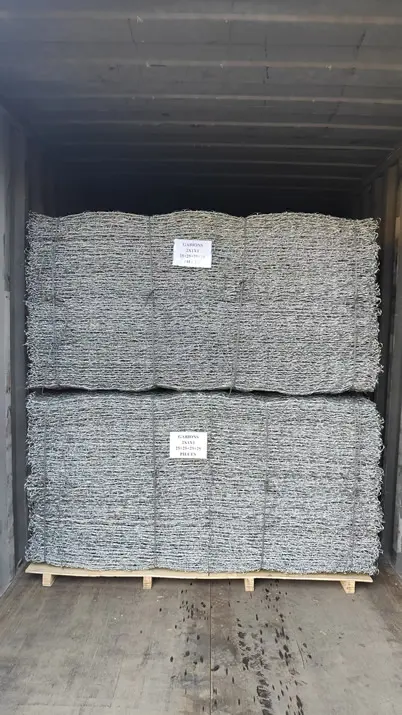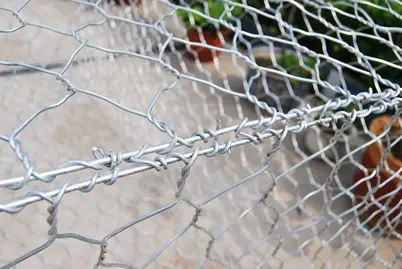
Heavy hexagonal mesh is not only widely used in the production of gabion cages, protective pads, and other structures, but can also be laid flat and fixed on the surface of mountain slopes to effectively prevent rocks from rolling off. Therefore, it is also known as the "slope protection net" or "rockfall protection net".
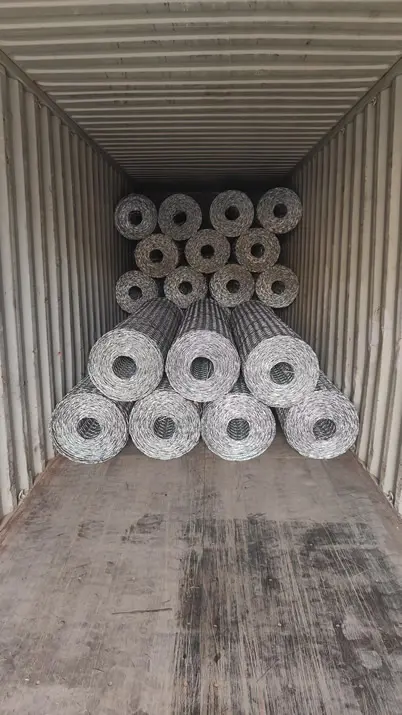
Slope protection nets are usually sold in the form of rolls, which are heavy-duty hexagonal nets of a certain length rolled up for easy transportation and construction. The net is woven with iron wire, and the mesh structure allows plants to pass through and grow, thereby using plant roots to fix the soil, prevent soil erosion, and help suppress the development of rocky desertification on mountain slopes.
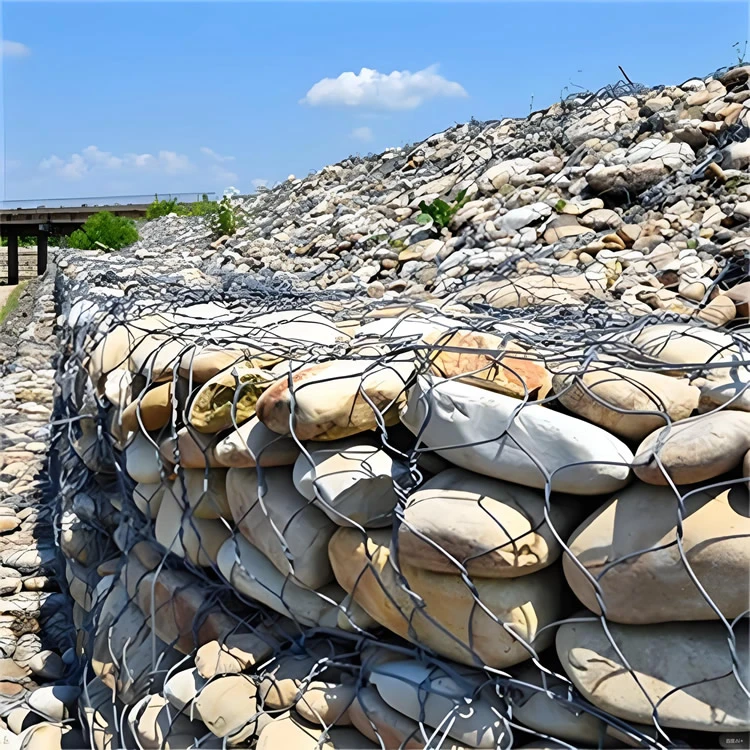
Regarding the scrap standards for steel wire ropes used in heavy-duty hexagonal mesh, the country has formulated corresponding regulations based on different industries, such as scrap standards for cranes, elevators, important and general purposes. From a qualitative perspective, it is mainly based on two indicators: one is cross-sectional area loss (i.e. breaking force loss), which refers to the reduction in cross-sectional area of the steel wire rope due to corrosion or wear; The second is a decrease in resilience indicators. For example, even if the tensile strength of the steel wire rope does not significantly decrease, if corrosion leads to inadequate toughness, it still needs to be scrapped. Continuing to use this type of steel wire rope is prone to breakage when passing through pulleys or rollers, as although it can withstand tension, it is difficult to withstand bending stress. Therefore, it is not comprehensive to judge whether to scrap based solely on the loss of cross-sectional area or breaking force.
In addition, metal materials have reflection, absorption, and cancellation effects on electromagnetic waves, which can reduce electromagnetic radiation. However, not all metals have good shielding effects: low resistivity metals should be selected for high-frequency electromagnetic fields to use the eddy currents they generate to cancel out external electromagnetic waves; Low frequency electromagnetic fields require high permeability materials to limit the distribution of magnetic field lines inside the shielding body and prevent leakage.
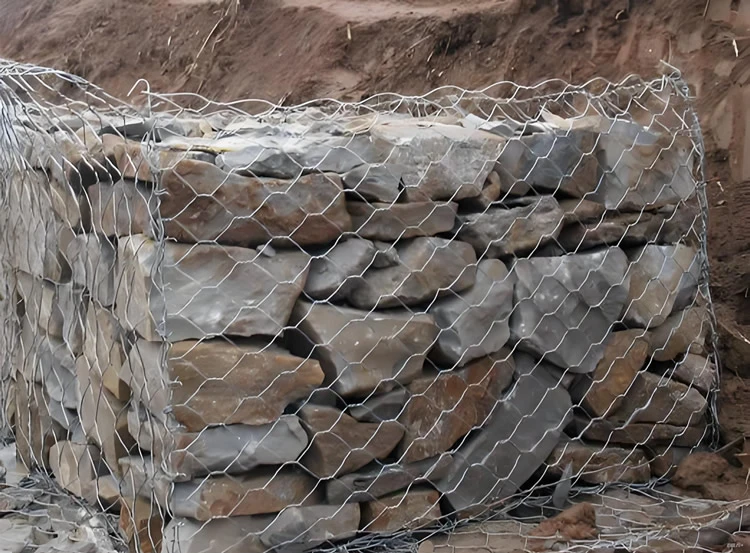
For gabion nets made of heavy-duty hexagonal mesh, if both high-frequency and low-frequency electromagnetic fields need to be shielded simultaneously, multiple metal materials can be combined to form a multi-layer shielding body. The key requirement is that the surface of the shielding body must maintain conductive continuity and avoid direct penetration of conductors through the shielding body to ensure its shielding performance.

ANPING YUELIAN WIRE MESH CO.,LTD.
+86 13363336085
yxgabion@163.com
NO.5 WEIYI ROAD,ANPING HIGH-TECH INDUSTRIAL DEVELOPMENT ZONE,ANPING,HENGSHUI,HEBEI,CHINA
For inquiries about our products or pricelist, please leave your email to us and we will be in touch within 24 hours.
INQUIRY NOW