Gebin Network Standardized Installation Guide: Steps, Key Points, and Specifications
The correct installation of gabion net (also known as gabion net) is the key to its effectiveness in slope protection, retaining walls and other engineering projects. This guide elaborates on the professional installation process and technical specifications to ensure the durability and stability of the project.
1、 Assembly process of net cage
Initial preparation and deployment:
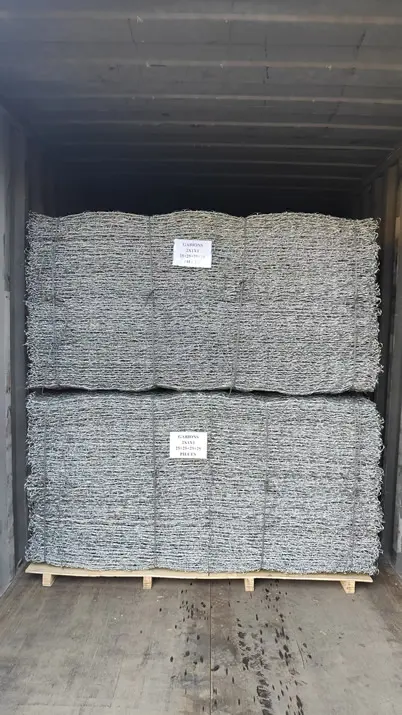
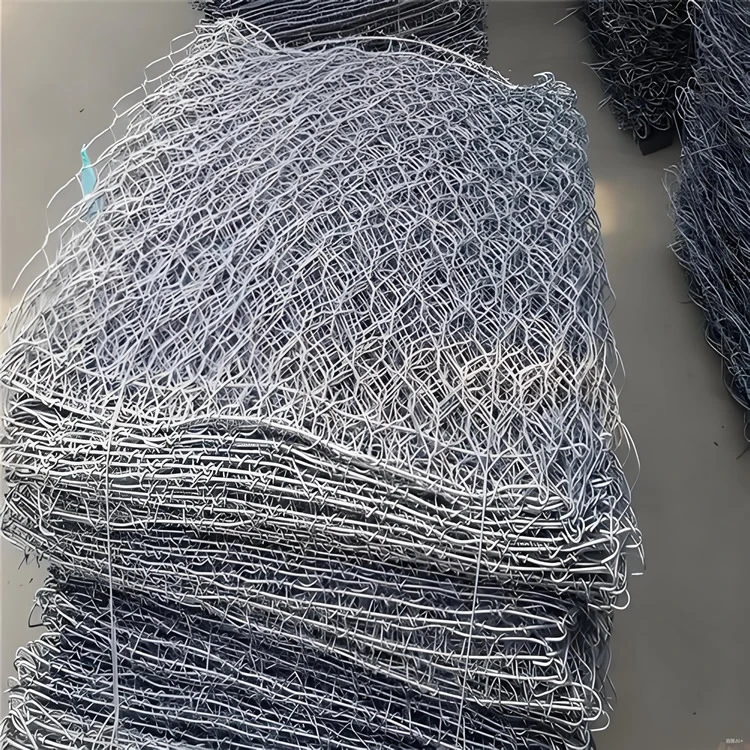
Place the folded packaging gabion net on a flat surface, fully unfold and flatten all creases.
Erect the front and rear panels, side panels, and partitions in sequence, perpendicular to the bottom panel, forming an open box shaped structure.
Unit connection:
Key connection points: The upper and lower corners of adjacent net cage groups must be firmly connected using double stranded composite steel wires, which is the core of ensuring overall structural stability.
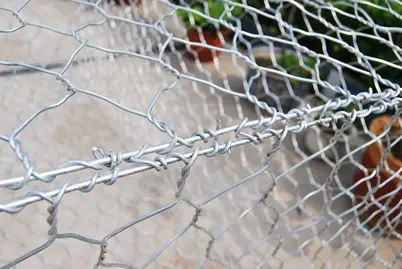
Frame binding: Use binding steel wire (whose length should exceed 1.5 times the length of the edge wire) to tightly wrap the upper and lower frame lines in a spiral fixing manner. All binding intervals shall not exceed 50mm, and attention shall be paid to protecting the anti-corrosion coating (such as galvanized, PVC, etc.) on the surface of the steel wire during binding to avoid damage.
Mesh cover fixation:
The top cover can only be placed after all the stones have been filled and reached the predetermined height.
Twist the edges of the mesh cover, panel, and partition together with steel wire of the same material as the net cage. The edge end of the panel is usually made of steel wire with thickened diameter to enhance the structural strength.
2、 On site installation and placement
Foundation pit preparation:
The foundation pit or slope shall be leveled and compacted according to the design requirements.
According to the needs, geotextile that meets engineering specifications can be laid on the foundation to play a role in filtration, drainage, and isolation. In the slope protection structure, geotextile can also be installed on the side of the gabion net to prevent soil erosion.
Positioning and Integration:
Place the assembled individual cage units according to the design position.
Tightly connect adjacent units along all boundaries to form a continuous and unified overall structure for all cages.
3、 Specification for stone filling
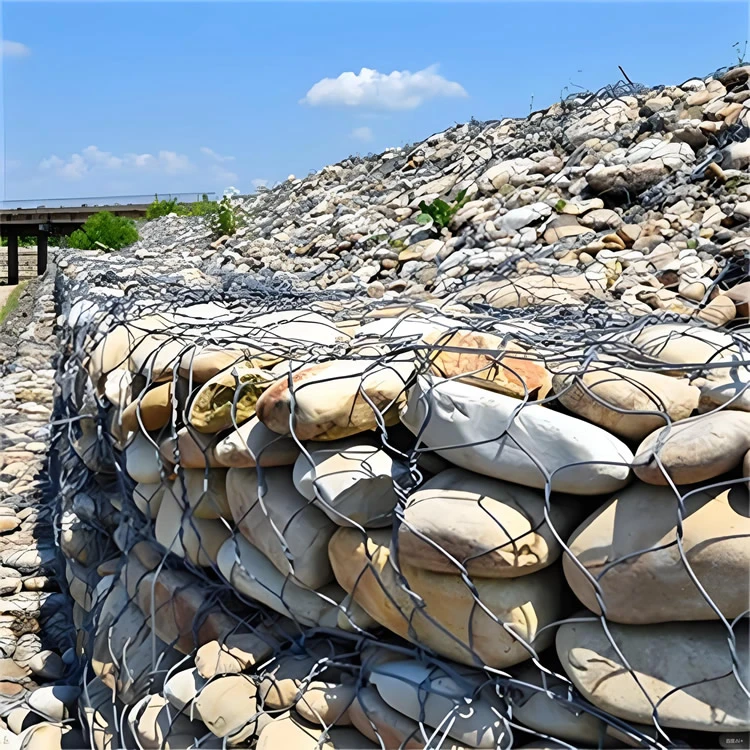
Stone selection: The stone should be hard, not easily weathered, and have moderate edges and corners. Good durability is required in harsh environments such as long-term immersion or exposure to sunlight.
Particle size control: The particle size of the stone material should meet the design requirements, generally larger than the mesh size. For oversized stone materials, crushing machinery should be used for processing, and direct filling is strictly prohibited to avoid damaging the net cage.
Filling method: manual layered filling to avoid tipping and damaging the net cage from a high place. The filling should be slightly higher than the top of the net cage, leaving room for natural settlement.

ANPING YUELIAN WIRE MESH CO.,LTD.
+86 13363336085
yxgabion@163.com
NO.5 WEIYI ROAD,ANPING HIGH-TECH INDUSTRIAL DEVELOPMENT ZONE,ANPING,HENGSHUI,HEBEI,CHINA
For inquiries about our products or pricelist, please leave your email to us and we will be in touch within 24 hours.
INQUIRY NOW