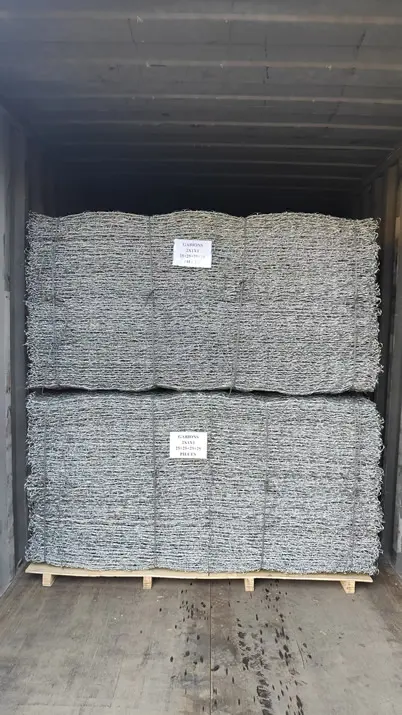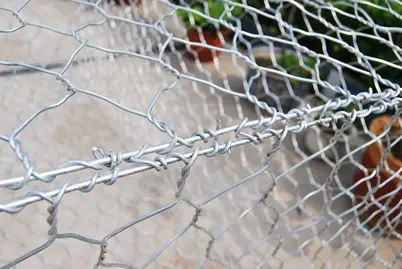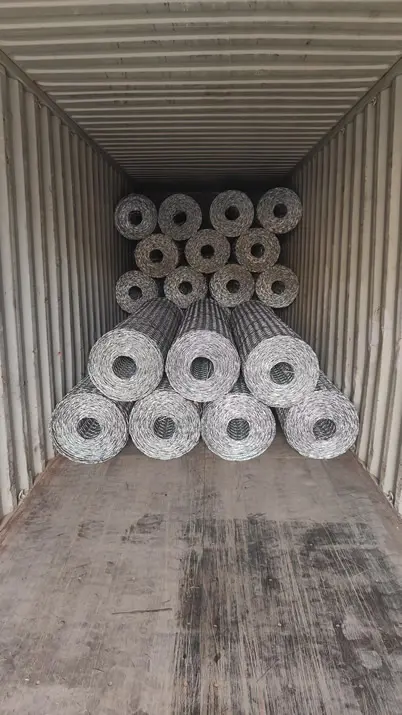

A lead wire cage is a net cage made of metal wires woven into a hexagonal mesh structure (also known as a "hexagonal mesh"). The metal wire diameter will be adjusted according to the size of the hexagonal mesh.
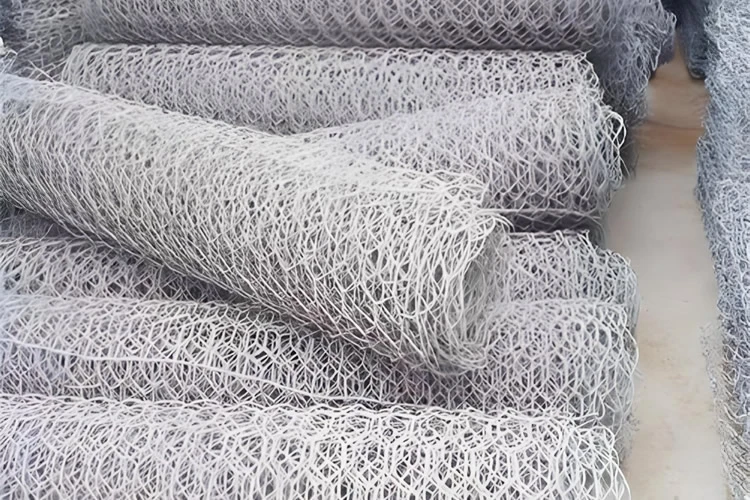
Weaving process of lead wire cage
The lead wire cage is made of galvanized low-carbon steel wire or coated steel wire, which is woven into a double twisted hexagonal mesh structure by machine to enhance the stability and tensile strength of the structure.
Characteristics of lead wire cage
The lead wire cage can be filled with various types of stones, usually round stones or raw stones from quarries. If the structure needs to withstand high gravity or be exposed to long-term water flow erosion, it is recommended to use stone materials with high density and strong durability. To ensure long-term stability of the structure, the stone material should have characteristics such as resistance to weathering, non flammability, insolubility, and high hardness.
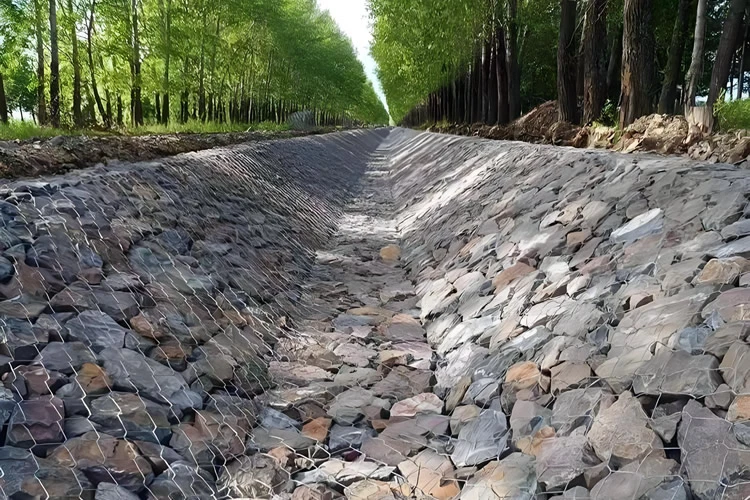
The main applications of lead wire cages
River and flood control: Lead wire cages can permanently protect riverbeds and banks, effectively resist water erosion, reduce the risk of flooding, and avoid soil erosion and property damage.
Channel and riverbed engineering: In natural river regulation or artificial channel construction, lead wire cages can protect riverbanks and riverbeds for a long time, regulate water flow, and help maintain water resources and protect the ecological environment.
Bank and slope protection: The lead wire cage structure is widely used in the bank slope protection of Rivers and Lakes. Its eco-friendly characteristics can achieve the harmony and unity of nature and engineering, and achieve excellent protection effects.

ANPING YUELIAN WIRE MESH CO.,LTD.
+86 13363336085
yxgabion@163.com
NO.5 WEIYI ROAD,ANPING HIGH-TECH INDUSTRIAL DEVELOPMENT ZONE,ANPING,HENGSHUI,HEBEI,CHINA
For inquiries about our products or pricelist, please leave your email to us and we will be in touch within 24 hours.
INQUIRY NOW