(H1) What is a Gabion Wall and How Do You Build One? Your Complete Construction Guide
A gabion wall represents one of the most versatile and environmentally friendly solutions in modern construction and landscaping. Combining engineering functionality with natural aesthetics, these structures have gained global popularity for their durability, permeability, and cost-effectiveness. This comprehensive guide explains exactly what gabion walls are and provides detailed, step-by-step instructions for building one successfully.
(H2) Understanding Gabion Walls: The Basics
Definition and Concept:
A gabion wall is a retaining structure or free-standing wall constructed from wire mesh containers (gabions) filled with stone, rock, or other suitable materials. The term "gabion" originates from the Italian word "gabbione," meaning "big cage," accurately describing its fundamental structure.
Historical Context:
While modern engineering has refined gabion technology, the concept dates back centuries. Originally used in military applications for fortification, gabions evolved into civil engineering applications in the late 19th century and have since become mainstream in both functional and decorative applications.
(H2) Key Components of Gabion Walls
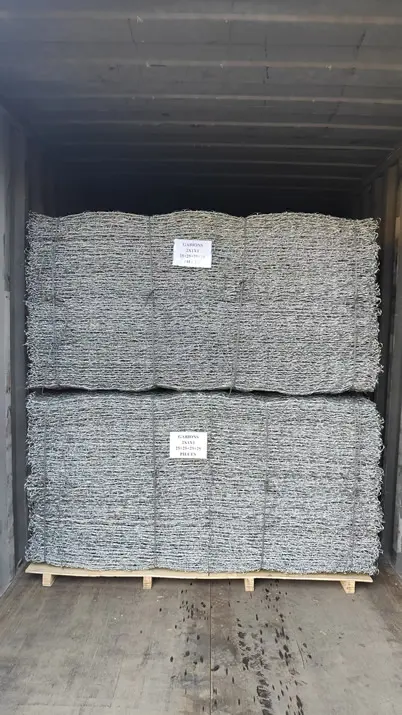
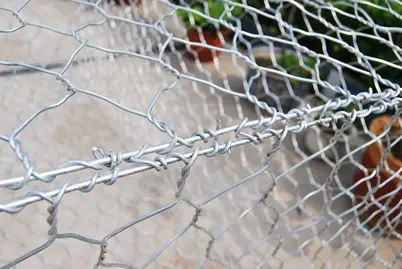
1. Mesh Containers:
Materials: Galvanized steel, PVC-coated wire, or stainless steel
Mesh Types: Double-twisted hexagonal or welded mesh
Standard Sizes: Various dimensions from 1m×1m×1m to 3m×1m×1m
Special Features: Include internal diaphragms for larger units
2. Fill Materials:
Stone Types: Granite, limestone, sandstone, basalt, or local quarry stone
Size Requirements: 1.25 to 1.5 times larger than mesh openings
Quality Specifications: Durable, weather-resistant, and well-graded
Alternative Materials: Recycled concrete, brick, or specialty materials for aesthetic projects
3. Foundation System:
Base Preparation: Compacted subsoil with proper drainage
Foundation Material: Compacted gravel or crushed stone base
Drainage Considerations: Permeable base allowing water passage
(H2) Advantages of Gabion Walls
Structural Benefits:
Flexibility: Accommodates ground movement without cracking
Permeability: Allows water drainage, eliminating hydrostatic pressure
Strength: High mass provides excellent stability
Durability: Long service life with minimal maintenance
Environmental Advantages:
Eco-Friendly: Uses natural materials and promotes vegetation growth
Sustainability: Low carbon footprint compared to concrete
Habitat Creation: Provides shelter for insects and small animals
Aesthetic Integration: Blends naturally with surroundings
Economic Benefits:
Cost-Effective: 30-50% cheaper than concrete walls
Labor Efficiency: Requires less specialized skills
Material Availability: Utilizes locally sourced stones
Quick Construction: Faster installation than many alternatives
(H2) Pre-Construction Planning
1. Design Considerations:
Wall Purpose: Determine if for retention, decoration, or erosion control
Height Requirements: Standard walls typically 1-4 meters high
Load Calculations: Account for soil pressure and surcharge loads
Regulatory Compliance: Check local building codes and permits
2. Material Estimation:
Gabion Quantity: Calculate based on wall dimensions
Stone Volume: Account for compaction and settlement
Additional Materials: Geotextile fabric, binding wire, tools
3. Site Assessment:
Soil Analysis: Check bearing capacity and drainage characteristics
Slope Evaluation: Assess stability of existing ground
Access Planning: Ensure equipment and material delivery access
(H2) Step-by-Step Construction Guide
Phase 1: Foundation Preparation
Site Clearing:
Remove vegetation, topsoil, and unstable material
Mark wall alignment using stakes and string
Excavation:
Dig trench to firm subsoil below frost line
Typical depth: 150-300mm below ground level
Width: 300mm wider than gabion base
Base Construction:
Install compacted gravel layer (150mm minimum)
Compact to 95% Proctor density
Verify level and gradient
Phase 2: Gabion Assembly
Unfolding Gabions:
Position baskets on stable, flat surface
Assemble sides and connect with spiral binders or lacing wire
Placement and Connection:
Position assembled gabions in foundation trench
Connect adjacent gabions securely
Check alignment and level
Phase 3: Filling Procedure
Stone Selection and Placement:
Hand-place larger, attractive stones against visible faces
Fill interior with smaller, economical stone
Work in layers, filling 1/3 at a time
Compaction and Settlement:
Compact each layer manually or mechanically
Overfill by 25-50mm to allow for settlement
Ensure tight packing without damaging mesh
Internal Reinforcement:
Install tie wires between opposite faces on tall gabions
Add internal diaphragms as specified
Maintain uniform fill density
Phase 4: Completion and Finishing
Closure:
Secure lid panels with spiral binders
Ensure tight closure without gaps
Trim any protruding wires
Final Inspection:
Check alignment and batter (if applicable)
Verify connection integrity
Ensure proper drainage provisions
Backfilling:
Place drainage aggregate behind wall if required
Install geotextile fabric to prevent soil migration
Compact backfill in layers
(H2) Professional Tips for Success
Construction Best Practices:
Work in Sections: Build in manageable segments
Maintain Batter: Lean wall into slope for stability (typically 1:6)
Quality Control: Regularly check alignment and level
Safety First: Wear appropriate PPE during construction
Common Mistakes to Avoid:
Insufficient Foundation: Leading to settlement
Poor Stone Selection: Using undersized or inappropriate material
Inadequate Compaction: Causing excessive settlement
Rushing Closure: Before proper settlement occurs
(H2) Maintenance Requirements
Initial Period:
Monitor for settlement during first few months
Add supplemental stone if significant settling occurs
Check after heavy rainfall for any issues
Long-term Maintenance:
Annual inspection of mesh integrity
Vegetation management if desired
Occasional stone replenishment
Check for corrosion in harsh environments
(H2) Applications and Variations
Functional Applications:
Retaining walls for slopes and embankments
Erosion control along waterways
Noise barriers along highways
Security and boundary walls
Aesthetic Variations:
Curved walls for landscape design
Integrated planting pockets for vegetation
Mixed materials for artistic effects
Lighting integration for night appeal
(H2) When to Seek Professional Help
DIY Suitable Projects:
Small garden walls (<1 meter high)
Decorative landscape features
Non-critical erosion control
Simple retaining structures
Professional Recommended:
Walls exceeding 1.5 meters height
Structural retaining applications
Complex site conditions
Projects requiring engineering certification
Gabion walls offer a unique combination of strength, sustainability, and aesthetic appeal that makes them suitable for numerous applications. By following proper construction techniques and understanding the fundamental principles, you can create durable, functional, and attractive gabion structures that will stand the test of time.

ANPING YUELIAN WIRE MESH CO.,LTD.
+86 13363336085
yxgabion@163.com
NO.5 WEIYI ROAD,ANPING HIGH-TECH INDUSTRIAL DEVELOPMENT ZONE,ANPING,HENGSHUI,HEBEI,CHINA
For inquiries about our products or pricelist, please leave your email to us and we will be in touch within 24 hours.
INQUIRY NOW